

Blue Monday – 19th January 2026
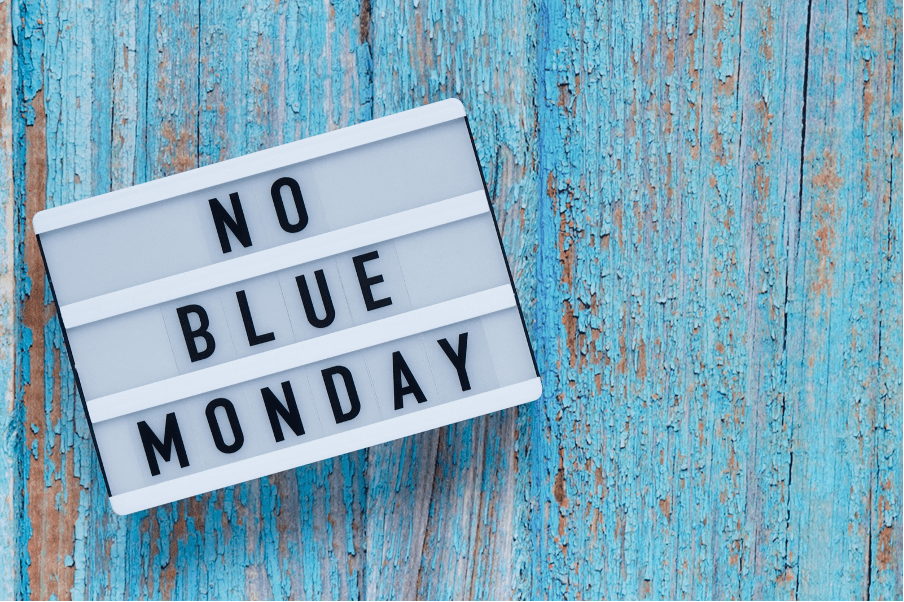
| January can feel like a long stretch of grey skies and chilly mornings. The sparkle of the holidays has faded, resolutions may be wobbling, and the excitement of the new year has started to settle into routine. That’s why you might hear people talking about Blue Monday, which falls on Monday 19th January. While Blue Monday has a bit of a gloomy reputation it’s also a chance to pause, reflect, and bring warmth to winter. |
What is Blue Monday, Really?
| Blue Monday is often called “the most depressing day of the year.” It’s usually marked on the third Monday of January. A time when the weather is dreary, festive bills are due, and those ambitious new year’s resolutions might feel harder to keep. It’s important to know that there’s no real science behind it, starting as more of an idea than a proven fact. It struck a chord because it reflects something many people feel – January can be tough, and that’s okay. A Little History The idea of Blue Monday first appeared in the mid-2000s. A travel company claimed to have worked out a formula to calculate the year’s saddest day. The formula itself was never taken seriously, but the phrase stuck. Over time, it has grown into a cultural moment, giving us a chance to talk more openly about how we feel. Why It Matters Even if the exact date doesn’t matter, the feelings behind it certainly do. Shorter days, less sunshine, colder weather, and financial or personal stress could weigh heavily. For some, this time of year may even bring on seasonal depression. Blue Monday is a helpful nudge to acknowledge that mental health matters just as much as physical health. Self-compassion is essential, especially now. Lifting Your Mood on Blue Monday Here are some gentle ways to brighten your Blue Monday and every day after: Move your body – It doesn’t have to be a gym session. A brisk walk, a stretch, or dancing around your living room. Chase the light – Sit by a sunny window or try a light therapy lamp. Daylight is nature’s mood booster. Connect with people – Call a friend, plan a coffee, or send a message. Connection is a reminder that we are not alone. Spread kindness – Helping someone else, even in a tiny way, could lift your spirits too. So, 19th January 2026 might be labelled “Blue Monday,” but it doesn’t have to define your day. Instead, see it as a reminder to slow down, show yourself some kindness, and focus on the little things that make winter brighter. Sometimes, the smallest shifts, a smile, a warm drink, a mindful pause could turn a blue day into a better one. |

| We’ve got a range of fully accredited training courses in 2026 where you can earn a qualification upon completion. Book now, or get in touch for more info. |
A Spotlight On… PMS
PMS (premenstrual syndrome) is the name for the symptoms women may experience in the weeks before their period. It could affect anyone who has periods.
Symptoms of PMS (premenstrual syndrome)
Each woman’s symptoms are different and may vary from month to month, but most women have PMS at some point.
The most common symptoms of PMS include:
- mood swings / feeling depressed or irritable
- feeling upset, anxious or emotional
- tiredness or trouble sleeping
- bloating or cramping
- breast tenderness / headaches
- spotty skin / greasy hair
- changes in appetite or food cravings
Helping manage PMS yourself
Do:
- exercise regularly
- eat a healthy, balanced diet
- get plenty of sleep
- try reducing your stress by doing yoga or meditation
- keep a diary of your symptoms for at least 2 menstrual cycles so you can take this to a GP appointment
Don’t:
- do not smoke
- do not drink too much alcohol
See a GP if:
- You have symptoms of premenstrual syndrome (PMS) and:
- lifestyle changes have not helped
- your symptoms are affecting your daily life
Premenstrual dysphoric disorder (PMDD)
| A small number of women may experience more severe symptoms of PMS known as premenstrual dysphoric disorder (PMDD).Symptoms of PMDD are like PMS but are much more intense and could have a much greater negative impact on your everyday life.Symptoms may include:headaches and joint and muscle pain, overeating and problems sleeping, feeling very anxious, angry, depressed or suicidalIt’s not clear what causes PMDD, but it’s been linked to being very sensitive to changes in hormones, or certain differences in the genes you inherit from your parents.Find out moreWhere to get urgent help for mental healthMind: premenstrual dysphoric disorder (PMDD) |
| Massage therapy could help relieve PMS symptoms by reducing muscle tension, improving circulation, and promoting relaxation. Techniques like abdominal massage and Swedish massage are especially effective when done regularly before menstruation. Book a massage with us today and see how we can help you. |
| Have a good rest of the week! |
 |