
From Pumpkin spice to Tinsel Time – Where Autumn Whispers into Winter
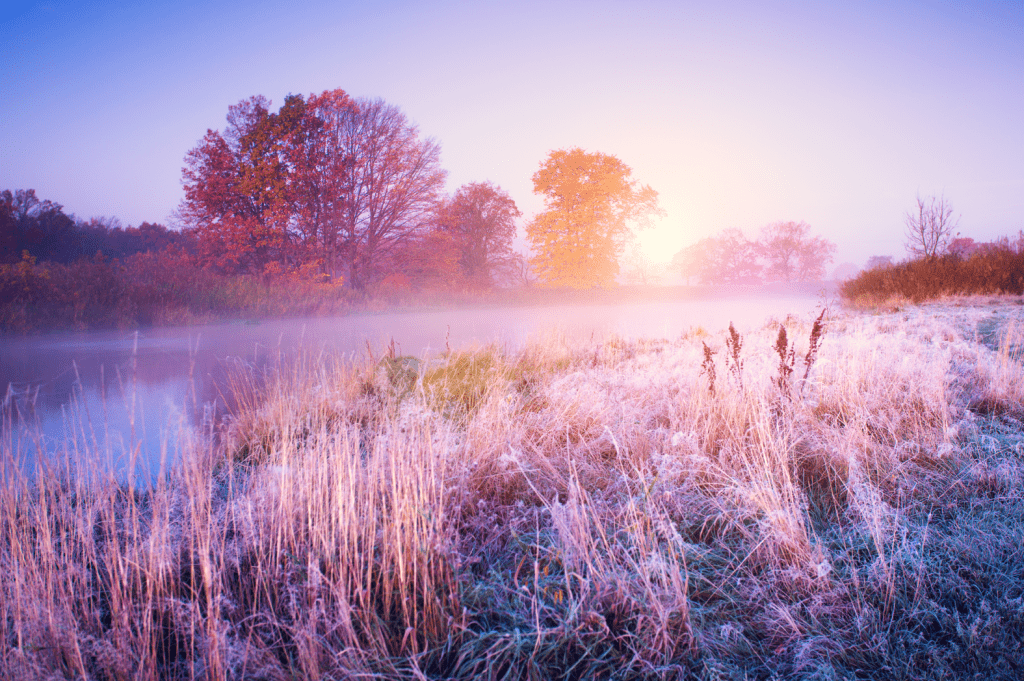
| As autumn begins to fade and the final leaves fall from the trees, mid-November quietly ushers in a new kind of anticipation. The air grows cooler, daylight slips away earlier each evening, and there’s a subtle shift in mood — a mix of reflection, cosiness, and growing excitement. It’s a season of transition, as we move from the golden calm of autumn into the sparkling promise of December and Christmas. |
| This time of year carries its own quiet magic. Streets that were once scattered with orange and brown leaves slowly begin to shimmer with strings of lights. Shop windows transform from autumn themes to displays of snowflakes, ornaments, and holiday cheer. For many, this time of year brings the beginning of holiday preparations. Families start pulling out decorations from dusty boxes. Plans are made, lists are written, and kitchens begin to hum with the first batches of seasonal baking. There’s a comforting repetition to it all — familiar songs playing on the radio, old movies rewatched, and recipes that only make an appearance once a year.More than anything, this period invites a sense of slowing down. While the world outside grows colder and quieter, people turn inward. Homes become cosier, lit with candles and soft blankets. It’s a time of gathering — not always for the big events, but for small, meaningful moments. A warm drink shared with a friend, a walk through a frost-tipped forest, or an evening spent wrapping gifts.As December nears, the excitement begins to build. Children start to count the days, calendars fill with festive plans, and communities come alive with winter events and traditions. There’s a sense of unity in the air. A collective leaning toward joy, giving, and togetherness.This quiet stretch before the holidays offer more than just preparation, it invites reflection. As the year draws to a close, we’re given a chance to pause, consider what we’ve learned, how we’ve grown, and grateful for. It’s a bridge between seasons, a gentle transition from the rhythm of daily life to the deeper meaning the holidays may offer.Whether you’re someone who jumps into the spirit of this season early, or eases into it more quietly, this time of year offers a soft invitation – to notice, to appreciate, and to celebrate. The sparkle of December doesn’t arrive all at once. It begins here, in the quiet unfolding days of late November, when the world starts to glow a little warmer, even as it grows colder. Christmas coping tips – If you find this time of year difficult Volunteer at Christmas – Find opportunities near you |

| We’ve got a range of fully accredited training courses in 2026 where you can earn a qualification upon completion. Book now, or get in touch for more info. |
A Spotlight On… Social Anxiety (social phobia)
Social anxiety disorder, also called social phobia, is a long-term and overwhelming fear of social situations.
It’s a common problem that usually starts during the teenage years. It may be very distressing and have a big impact on your life. For some people it gets better as they get older. But for many it does not go away on its own without the appropriate help.
Symptoms of social anxiety
Many people occasionally worry about social situations, but someone with social anxiety feels overly worried before, during and after them. You may have social anxiety if you:
- worry about everyday activities, such as meeting strangers, starting conversations, speaking on the phone, working or shopping
- avoid or worry a lot about social activities, such as group conversations, eating with company and parties
- always worry about doing something you think is embarrassing, such as blushing, sweating or appearing incompetent
- fear being criticised, avoid eye contact or have low self-esteem
- often have symptoms like feeling sick, sweating, trembling or a pounding heartbeat (palpitations)
- have panic attacks, where you have an overwhelming sense of fear and anxiety, usually only for a few minutes
When to get help for social anxiety
It’s a good idea to see a GP if you think you have social anxiety, especially if it’s having a big impact on your life. Asking for help may be difficult, but a GP will try to put you at ease. They’ll ask you about your feelings, behaviours and symptoms to find out about your anxiety in social situations. It’s also possible to refer yourself directly to an NHS talking therapies service without a referral from a GP.
Find an NHS talking therapies service
Social anxiety in children
Social anxiety has been known to also affect children. Speak to a GP if you’re worried about your child. Therapy will be tailored to your child’s age and will often involve help from you..
Support Groups
There are several charities, support groups and online forums for people with social anxiety and other anxiety disorders, including:
a HealthUnlocked anxiety forum run by Anxiety Support
Mind and YoungMinds