

Training in Essential Oils – Journey into Aroma, Safety and Blending
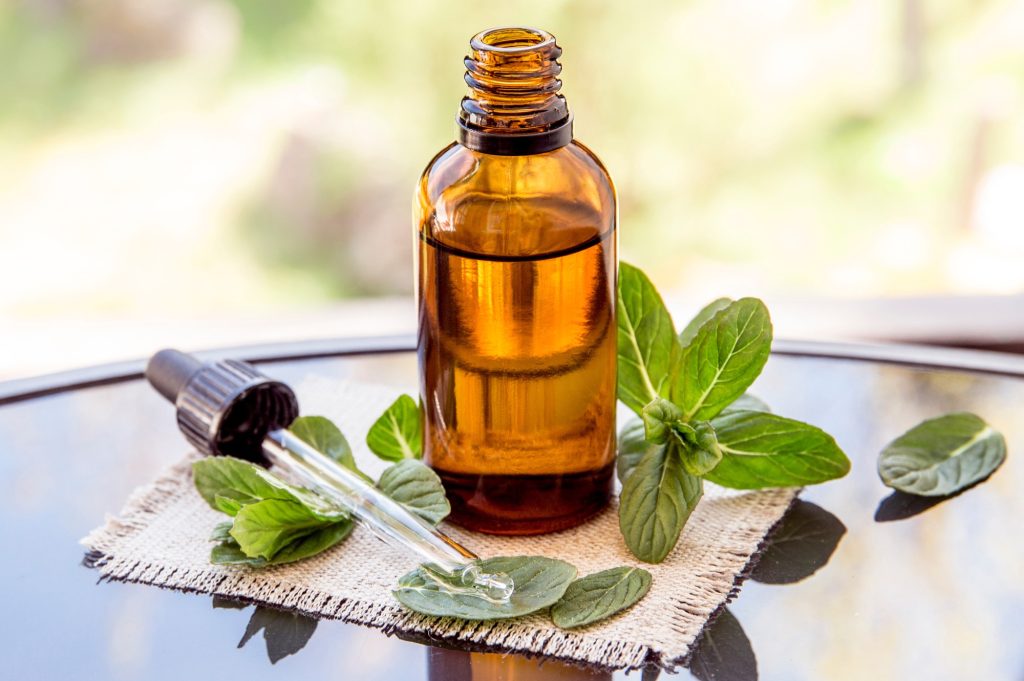
| Essential oils continue to captivate those seeking natural ways to support well-being, manage stress, and enhance everyday living. With their potent aromas and wide-ranging benefits, these plant-based extracts offer much more than pleasant scents. However, using them effectively and safely requires proper knowledge. That’s where essential oil training comes in. Offering structured guidance in safe usage, blending techniques, and aromatic exploration. Discovering the Aromas One of the most engaging aspects of essential oil training is discovering their aromas. From bright citrus to earthy woods, each oil has a unique scent profile and potential benefit. Learning to recognise these differences builds a strong foundation for blending and application. Training online and in person offers flexibility for different learning styles. Online study allows you to learn in an environment that’s comfortable for you, while in-person sessions offer guided, hands-on experience. Courses such as the Essential Oils Levels One & Twoat Essential Thyme provide both options. It is important helping learners deepen their sensory awareness and confidence when working with oils. Using Essential Oils Safely While natural, essential oils are highly concentrated and must be handled with care. Safety training covers essential topics like dilution, skin sensitivity, application methods, and contraindications. You’ll also learn how to choose quality oils and store them properly. This knowledge is vital—not only to avoid adverse reactions but also to ensure long-term, effective use. Blending with Purpose Blending is where knowledge meets creativity. Students learn how to combine oils based on their aromatic notes. Top, middle, and base, also their emotional and physical properties. Rather than mixing oils at random, training encourages purposeful blending to support different needs or moods. With guidance, learners develop their own unique blends, refining them through practice and observation. It’s a process that turns essential oil use into both an art and a practical skill. |
The Value of Essential Oil Training:
Whether you’re a wellness professional or simply curious about natural remedies, essential oil training offers the tools to use oils with confidence and care. By the end of a comprehensive fully accredited course, you’ll understand the key principles of aroma, safety, and blending. You will also have the knowledge to create your own thoughtful, effective formulations.
Essential oils will become more than just pleasant scents. They’ll become part of a deeper, more informed approach to wellness.
If you are interested in learning more about Essential Oils and want to obtain a qualification Get in touch to find out more. Courses offered by Essential Thyme fully accredited.
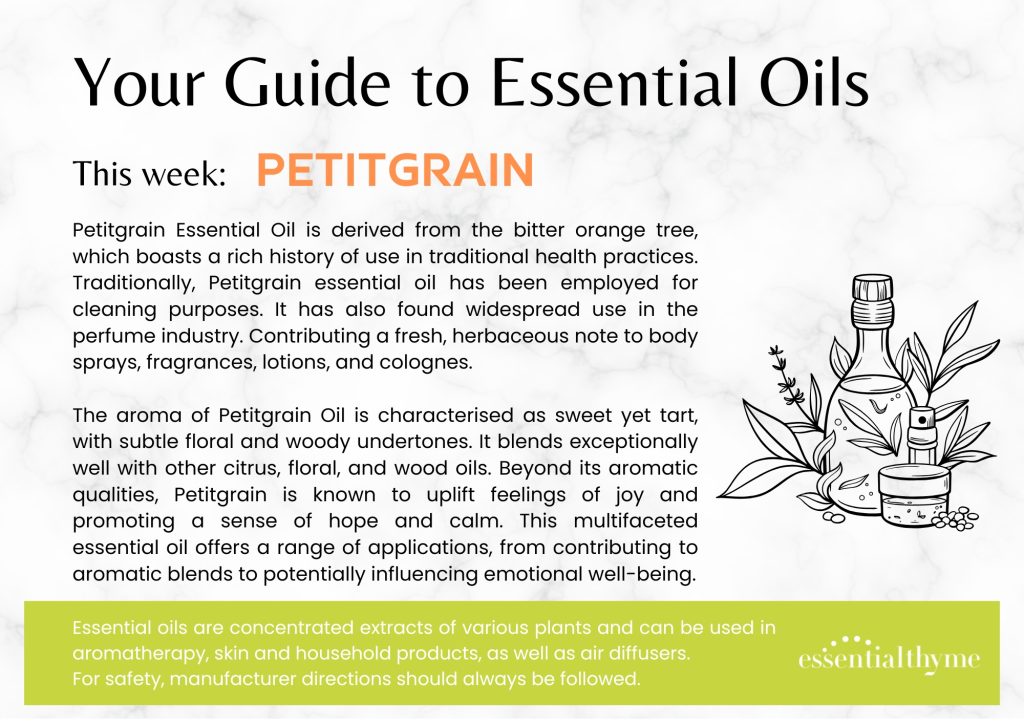
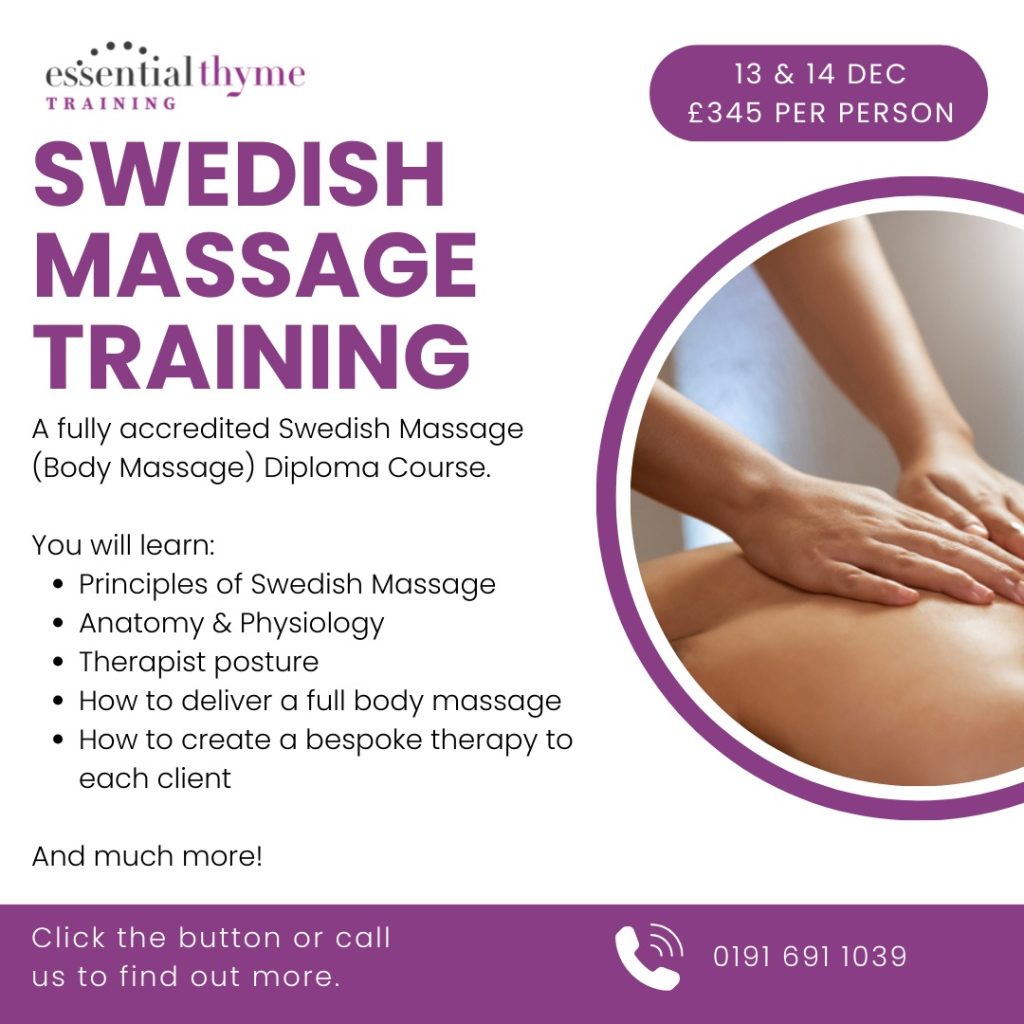
| We’ve got a range of fully accredited training courses in 2026 where you can earn a qualification upon completion. Book now, or get in touch for more info. |
A Spotlight On… Varicose veins
Varicose veins are swollen, twisted veins under the skin, usually on the legs but may appear on other parts of your body. They’re common and are not usually serious.
The symptoms may be worse after standing for a long time. They sometimes cause other symptoms that affect your legs, such as:
- pain, aching or a feeling of heaviness
- skin changes, such as itching, colour changes or dry, scaly skin
- swollen ankles or legs.
Causes of varicose veins
Varicose veins happen when the valves that control the flow of blood in your vein do not work properly. This causes blood to build up and put pressure on the vein, which makes it swell and twist. Although common and anyone could get them, but it’s more likely to happen if you::
- are a woman
- are older
- are overweight
- are pregnant
- spend a lot of time standing or sitting
- have other family members with varicose veins
- have had deep vein thrombosis (DVT)
Complications of varicose veins
Varicose veins do not usually cause any serious problems. But they may sometimes cause complications including:
- bleeding
- itchy, flaky, dry skin over your veins (varicose eczema)
- sores that take a long time to heal (venous leg ulcers)
- blood clots under your skin that cause hard, painful veins (superficial vein thrombosis)
- blood clots deeper inside your leg (deep vein thrombosis – DVT)
Helping with varicose veins
Do:
- try to keep to a healthy weight
- put your legs up when possible – for example, lie down with your legs on cushions
- exercise regularly, such as running or walking, to improve blood flow
- use a moisturising cream or lotion if you have dry, flaky or itchy skin
- try not to injure your legs, to help prevent bleeding
Don’t:
- do not stand for long periods
- do not sit for long periods, unless your feet are raised
- do not smoke, as it damages your veins – get help to quit smoking